
Entertainment is a universal part of human life, but it is shaped by culture, traditions, and societal values. Movies, music, theatre, games, and other forms of entertainment differ significantly from one country to another. Understanding these cultural differences helps us appreciate global creativity and the diversity of human expression.
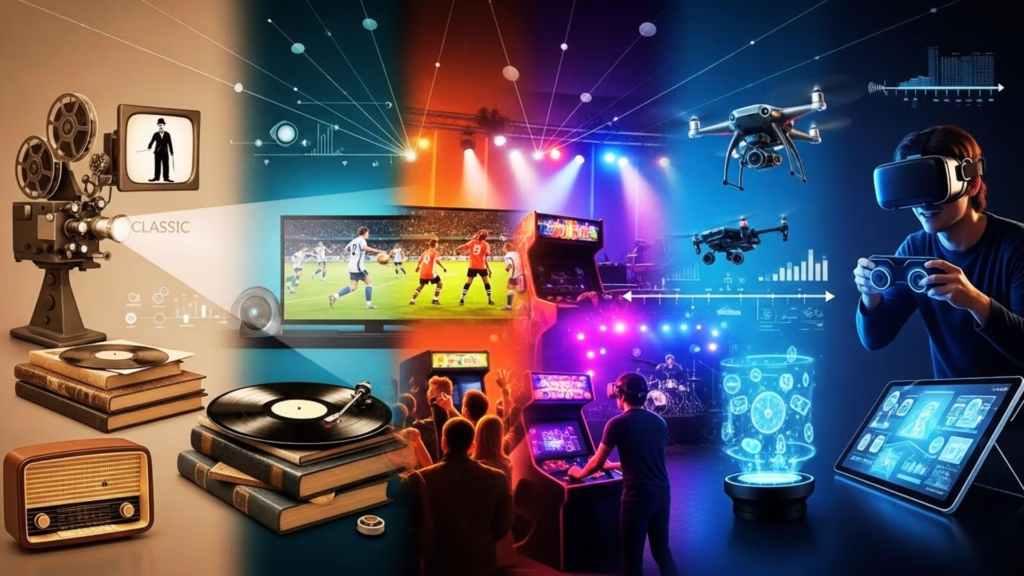
Entertainment in Different Cultures
Culture influences what people find entertaining and how they enjoy it:
- Western Countries: Movies, TV shows, and digital streaming dominate. Hollywood is known for big-budget films and global franchises. Sports like football, basketball, and baseball are major entertainment sources.
- Eastern Countries: Traditional performances like Japanese Kabuki or Indian classical dance are highly valued alongside modern cinema and anime. Martial arts and cricket are popular sports in many Asian countries.
- African Countries: Music, dance, and storytelling play central roles in entertainment. Local festivals often combine performance, food, and rituals. Football is also a widely loved sport.
- Latin American Countries: Music, dance, and colourful festivals are cultural highlights. Soccer is a key part of entertainment, and telenovelas (TV soap operas) are extremely popular.
These differences reflect local values, history, and social norms.
Movies and TV Shows
Movies and television are shaped by cultural narratives:
- Storytelling: Western films often focus on individualism and hero journeys. Asian and African cinema may emphasize community, family, or historical context.
- Genres: Comedy, romance, action, or historical drama vary in style and popularity across regions.
- Content Restrictions: Some countries limit violent or explicit content due to cultural or religious values.
Entertainment industries worldwide adapt content to fit local tastes while also exporting cultural ideas globally.
Music and Performing Arts
Music and live performances reflect local culture:
- Instruments and Styles: African drumming, Indian sitar, or Latin percussion show cultural uniqueness
- Dance: Ballet in Europe, traditional dances in Africa and Asia, or Latin dance styles highlight regional identity
- Festivals: Many countries have cultural events where music, theatre, and dance are central, showcasing heritage and traditions
Music and performance often carry social and historical meanings that differ from one culture to another.
Sports and Games
Sports are entertainment worldwide, but cultural preferences vary:
- Europe: Football (soccer) is the dominant sport, followed by rugby and tennis
- Asia: Cricket, martial arts, and badminton are widely popular
- Americas: Baseball, basketball, and American football attract large audiences
- Traditional Games: Some countries maintain local games like Kabaddi in India, Sepak Takraw in Southeast Asia, or Capoeira in Brazil
Sports reflect cultural identity and are often linked to national pride.
Digital Entertainment
Global digital entertainment also shows cultural differences:
- Gaming: Game preferences vary, with MOBAs (Multiplayer Online Battle Arenas) popular in Asia and FPS (First-Person Shooters) in Western countries
- Streaming Platforms: Content libraries differ by region to match cultural tastes and language preferences
- Social Media Trends: Challenges, memes, and viral content often reflect local humor, values, and societal issues
Digital platforms allow global access, but cultural adaptation ensures engagement with local audiences.
You Can Also Read: storytelling-movies-tv-theatre
Psychological and Social Impact
Entertainment shaped by culture affects behavior, social norms, and identity:
- Values Transmission: Stories, music, and games teach morals and cultural practices
- Community Building: Festivals, sports events, and theatre bring communities together
- Global Influence: Exposure to foreign entertainment introduces new ideas, fashion, and trends
Platforms like 3basequinte demonstrate how entertainment can combine cultural elements with strategy and engagement, showing that games and interactive media can teach teamwork and critical thinking across cultures.
Challenges and Opportunities
Global entertainment faces challenges and opportunities:
- Localization: Translating and adapting content for different languages and cultural norms
- Cultural Sensitivity: Avoiding content that may offend certain groups
- Cross-Cultural Collaboration: Co-productions and international festivals help share creative ideas globally
Understanding these challenges allows creators to connect with audiences worldwide while respecting cultural differences.
Final Thoughts
Entertainment is universal, but its expression varies widely across cultures. Movies, music, theatre, sports, and digital media all reflect local values, traditions, and social norms. By appreciating these differences, audiences can enjoy diverse forms of creativity and learn about the world beyond their own culture.
Platforms like 3basequinte highlight the global appeal of interactive and strategic entertainment, showing how cultural understanding can enhance engagement, learning, and collaboration.
Whether you are watching a foreign film, attending a cultural festival, or playing an international game, understanding the cultural context of entertainment enriches the experience and promotes global awareness.