
Playing sports is a great way to stay healthy, improve fitness, and build teamwork. However, sports injuries are common and can affect anyone, from beginners to professional athletes. Understanding common injuries and how to prevent them is key to staying safe while enjoying sports.
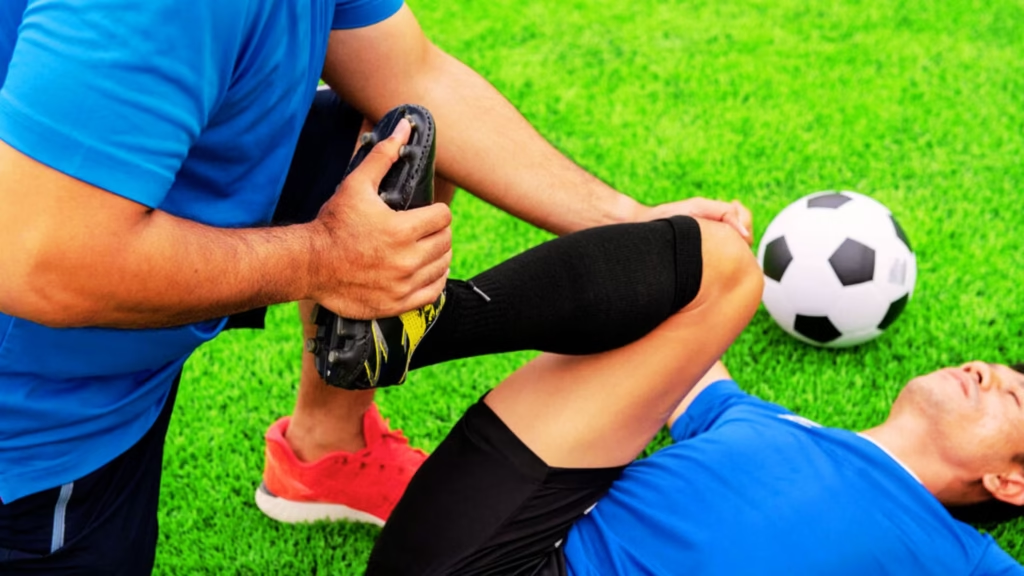
Common Sports Injuries
Sports injuries can be classified based on how they occur and the type of tissue affected. Here are the most frequent injuries:
1. Sprains and Strains
- Sprains: Stretching or tearing of ligaments, usually in ankles, wrists, or knees
- Strains: Stretching or tearing of muscles or tendons
- Causes: Sudden twisting, overuse, or improper warm-up
- Symptoms: Pain, swelling, bruising, and limited movement
2. Fractures and Broken Bones
- Fractures: Partial or complete break of a bone
- Common Areas: Arms, legs, and collarbones
- Causes: High-impact collisions, falls, or overuse
- Symptoms: Severe pain, swelling, deformity, or inability to move the limb
3. Dislocations
- Definition: A bone is forced out of its normal position in a joint
- Common Areas: Shoulders, fingers, knees
- Causes: Falls, collisions, or sudden impact
- Symptoms: Pain, swelling, visible deformity, and inability to move the joint
4. Tendonitis
- Definition: Inflammation of a tendon
- Common Areas: Elbows (tennis elbow), shoulders, knees
- Causes: Repetitive motion or overuse
- Symptoms: Pain, tenderness, and swelling
5. Concussions and Head Injuries
- Definition: Brain injury caused by a blow to the head
- Common in: Football, boxing, hockey, and cycling
- Symptoms: Headache, dizziness, confusion, nausea, or memory loss
6. Shin Splints
- Definition: Pain along the shinbone due to overuse
- Common in: Running and jumping sports
- Symptoms: Tenderness, swelling, and sharp or dull pain
You Can Also Read: sports-training-discipline-teamwork
7. Overuse Injuries
- Definition: Injuries caused by repeated stress on muscles, tendons, or bones
- Examples: Stress fractures, tendonitis, bursitis
- Causes: Excessive training, poor technique, or inadequate recovery
- Symptoms: Persistent pain, swelling, and reduced performance
Basic Prevention Methods
Preventing sports injuries requires proper preparation, awareness, and recovery.
1. Warm-Up and Cool-Down
- Warm-Up: Light exercises and stretching increase blood flow and flexibility
- Cool-Down: Helps muscles relax and reduces soreness after training
2. Strength and Conditioning
- Strengthening muscles, ligaments, and tendons improves joint stability
- Core exercises help prevent back and lower body injuries
3. Proper Technique
- Learn the correct technique for your sport
- Avoid sudden, risky movements that can cause strain or sprains
4. Protective Gear
- Use helmets, pads, shin guards, and appropriate shoes
- Gear reduces impact injuries and provides support during contact sports
5. Gradual Training
- Increase intensity, duration, and frequency gradually
- Avoid overtraining and allow sufficient rest between sessions
6. Hydration and Nutrition
- Stay hydrated to prevent cramps and fatigue
- Eat a balanced diet to support muscle and bone health
7. Rest and Recovery
- Take rest days seriously to allow muscles and joints to recover
- Sleep is essential for healing and maintaining performance
Importance of Awareness and Early Action
Recognizing injuries early and responding quickly is key:
- R.I.C.E. Method: Rest, Ice, Compression, Elevation for sprains and strains
- Seek Medical Help: For fractures, dislocations, concussions, or persistent pain
- Avoid Playing While Injured: Continuing can worsen injuries and extend recovery time
Awareness reduces long-term damage and allows athletes to return to sports safely.
Role of Coaches and Trainers
Coaches and trainers play a vital role in injury prevention:
- Monitor technique and physical condition
- Provide guidance on proper warm-ups, stretching, and cool-downs
- Design training plans that prevent overuse injuries
- Educate athletes about risks and safe practices
Professional guidance ensures safe sports participation, especially for young or inexperienced athletes.
Mental Aspect of Injury Prevention
Mental focus also contributes to safety:
- Concentration reduces careless movements and collisions
- Confidence and calmness help athletes respond quickly to hazards
- Awareness of surroundings prevents accidents in fast-paced games
Sports training that includes mental preparation reduces the likelihood of injuries.
Using Technology in Injury Prevention
Modern technology assists in monitoring and preventing injuries:
- Fitness trackers monitor load and prevent overtraining
- Video analysis helps correct improper techniques
- Platforms like 3basequinte show how structured training and awareness reduce injury risks while improving overall performance
Technology makes injury prevention more precise and accessible for athletes of all levels.
Final Thoughts
Sports injuries are common but often preventable. By understanding common injuries and following basic prevention methods—such as warm-ups, proper technique, protective gear, and rest—athletes can enjoy sports safely and maintain long-term performance.
Platforms like 3basequinte demonstrate how structured training, education, and proper techniques help athletes avoid injuries while improving discipline, teamwork, and overall sports performance.
Whether you are a beginner or a professional athlete, staying informed and cautious ensures that sports remain safe, fun, and rewarding.