
For athletes, performance on the field or court is not just about skill and training. Nutrition and hydration play a critical role in enhancing endurance, strength, focus, and recovery. Proper fuel and fluids help athletes perform at their best while reducing the risk of fatigue and injury.
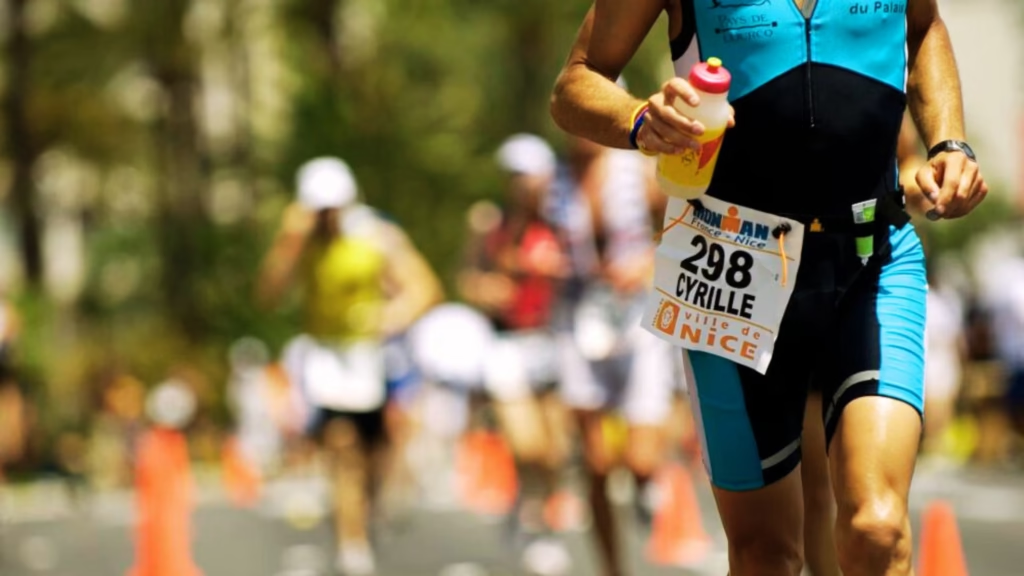
Why Nutrition Matters in Sports
Nutrition provides the energy and building blocks the body needs to function. Athletes require more calories, protein, and nutrients than non-athletes because of higher physical demands.
Key Roles of Nutrition
- Energy Supply: Carbohydrates are the main fuel for muscles during high-intensity activity
- Muscle Repair: Protein helps repair and build muscle tissue after training or competition
- Bone Health: Calcium and vitamin D strengthen bones and reduce injury risk
- Immune Support: Vitamins and minerals help maintain a strong immune system
- Performance and Focus: Balanced meals support mental clarity and reaction times
Without proper nutrition, athletes may experience fatigue, slower recovery, and poor performance.
Macronutrients for Athletes
1. Carbohydrates
- Provide quick energy for training and matches
- Sources: Rice, pasta, oats, fruits, and vegetables
- Important before and during endurance activities
2. Protein
- Builds and repairs muscles
- Sources: Lean meat, fish, eggs, beans, and dairy
- Essential for post-workout recovery
3. Fats
- Supply long-lasting energy for moderate-intensity activity
- Sources: Nuts, seeds, olive oil, and fatty fish
- Supports hormone production and overall health
4. Micronutrients
- Vitamins and minerals support energy metabolism and recovery
- Key nutrients: Iron (oxygen transport), magnesium (muscle function), and antioxidants (reduce inflammation)
Hydration and Sports Performance
Water is as important as food for athletes. Dehydration can reduce strength, endurance, and focus, and increase the risk of cramps and heat-related illnesses.
Guidelines for Hydration
- Before Activity: Drink 500–600 ml of water 2–3 hours before exercise
- During Activity: Sip 150–250 ml every 15–20 minutes for moderate activity
- After Activity: Rehydrate with water or electrolyte drinks to replace lost fluids
- Monitor Urine Color: Light yellow indicates proper hydration
Hydration is especially critical in hot climates or during long-duration sports.
You Can Also Read: sports-injuries-prevention
Timing of Meals and Snacks
When athletes eat is as important as what they eat:
- Pre-Workout: Light meals with carbohydrates and protein 1–3 hours before training
- During Workout: Energy gels or sports drinks for long sessions
- Post-Workout: Protein-rich meals within 30–60 minutes to aid recovery
- Regular Meals: A balanced diet throughout the day maintains energy and muscle health
Proper timing improves energy, focus, and recovery.
Sports Supplements
Some athletes use supplements to support performance, but they should complement, not replace, a balanced diet:
- Protein Powders: Help meet protein needs
- Electrolytes: Replace sodium, potassium, and other minerals lost in sweat
- Creatine: Supports short bursts of power
- Caffeine: Can improve alertness and endurance in small amounts
Supplements should be used responsibly and ideally under guidance from nutrition experts.
Impact on Performance
Proper nutrition and hydration provide multiple benefits:
- Endurance: Athletes can train longer without fatigue
- Strength: Muscle growth and repair are optimized
- Focus: Mental clarity improves during games and training
- Recovery: Reduced soreness and faster return to performance
- Injury Prevention: Strong muscles, bones, and proper hydration reduce risks
Platforms like 3basequinte emphasize how balanced nutrition and hydration contribute to consistent performance and overall athletic success.
Practical Tips for Athletes
- Plan Meals: Include carbohydrates, protein, and healthy fats
- Stay Hydrated: Keep a water bottle handy during training and matches
- Listen to Your Body: Eat and drink according to energy needs
- Avoid Empty Calories: Minimize sugary drinks and processed foods
- Track Progress: Monitor performance and adjust diet accordingly
Healthy habits make training more effective and competitions more successful.
Common Mistakes to Avoid
- Skipping meals before training or games
- Over-relying on supplements instead of natural foods
- Ignoring hydration until feeling thirsty
- Consuming high-fat or high-sugar foods before exercise
- Neglecting post-workout nutrition and recovery
Avoiding these mistakes ensures consistent energy levels and better athletic outcomes.
Final Thoughts
The role of nutrition and hydration in sports performance is undeniable. Proper fueling, hydration, and timing support endurance, strength, recovery, and mental focus. Athletes who pay attention to what they eat and drink gain a significant advantage on the field, court, or track.
Platforms like 3basequinte demonstrate that nutrition and hydration, combined with structured training and teamwork, are essential for peak performance and long-term success in sports.
By prioritizing nutrition and fluids, athletes not only perform better but also reduce the risk of fatigue, injuries, and burnout, making sports a safer and more rewarding experience.