
Sports are more than just physical activity—they are a powerful tool for developing discipline and teamwork. Whether you play football, basketball, cricket, or any other sport, regular training shapes both your body and your character. In this article, we explore how sports training builds discipline, teamwork, and other important life skills.
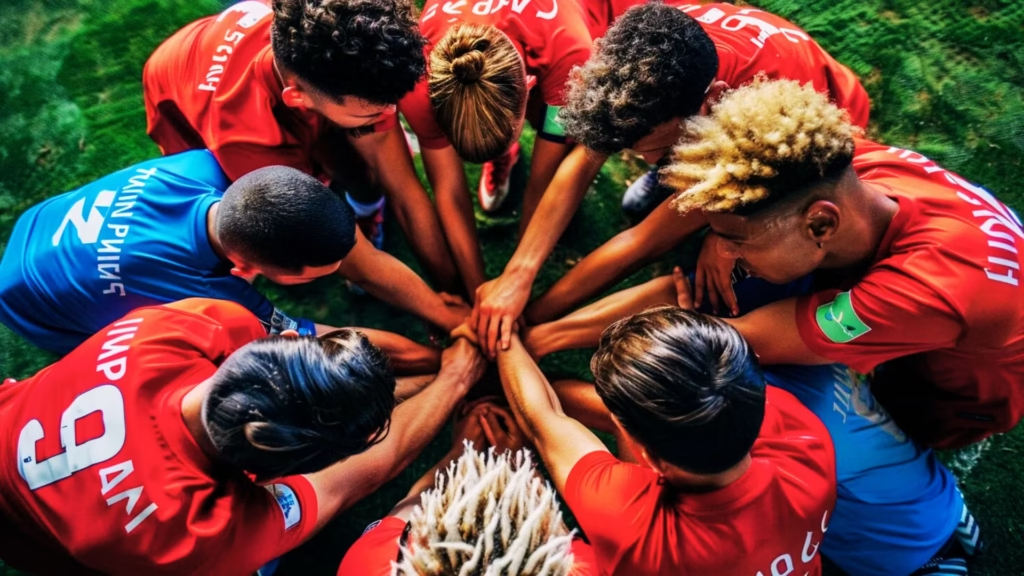
Discipline in Sports Training
Discipline is one of the most important benefits of regular sports practice. Athletes learn to follow rules, manage time, and commit to goals.
Key Aspects of Discipline
- Consistency: Daily training routines require commitment and focus
- Time Management: Athletes balance practice, school or work, and rest
- Self-Control: Controlling emotions during training and competitions
- Goal Setting: Developing strategies to improve performance
- Responsibility: Taking ownership of personal and team performance
Through consistent practice, athletes develop habits that extend beyond sports, improving productivity and personal growth in everyday life.
Teamwork in Sports
Sports inherently teach how to work with others to achieve common goals. Teamwork is essential in games like football, basketball, volleyball, and even relay races.
How Sports Training Encourages Teamwork
- Communication: Athletes learn to express strategies clearly and listen to teammates
- Cooperation: Sharing responsibilities and supporting each other during practice and matches
- Trust: Relying on teammates to complete tasks and fulfill roles
- Conflict Resolution: Handling disagreements respectfully to maintain team harmony
- Leadership: Developing leadership skills through guiding and motivating teammates
Teamwork learned in sports often translates into professional and personal environments, helping people collaborate effectively in workplaces and communities.
Mental Benefits of Sports Training
Beyond physical skills, sports training also strengthens the mind, which supports discipline and teamwork.
Key Mental Benefits
- Focus and Concentration: Athletes learn to stay present during practice and competition
- Resilience: Overcoming losses or setbacks builds mental toughness
- Decision-Making: Quick thinking is required to respond to opponents and changing situations
- Patience: Progress in sports comes gradually, teaching long-term persistence
A disciplined and mentally strong athlete is better prepared for challenges both on and off the field.
Real-Life Examples
Football
- Players must practice daily, follow tactics, and coordinate with teammates
- Passing drills and team plays teach communication and trust
Basketball
- Team plays, passing, and defensive coordination require cooperation
- Practicing together develops leadership and accountability
Cricket
- Fielding drills, batting partnerships, and bowling strategies rely on teamwork
- Long matches teach patience, focus, and discipline
In every sport, training builds habits that promote both individual discipline and collective teamwork.
Role of Coaches and Trainers
Coaches play a crucial role in developing discipline and teamwork:
- Set training schedules and enforce rules
- Provide guidance, feedback, and motivation
- Encourage collaboration among teammates
- Teach strategies that require trust and coordination
A good coach ensures that athletes not only improve skills but also internalize values that foster discipline and teamwork.
Discipline and Teamwork in Daily Life
The skills learned through sports are transferable to everyday life:
- Workplace: Meeting deadlines, collaborating on projects, and communicating effectively
- Education: Managing study schedules, group projects, and responsibilities
- Personal Life: Balancing relationships, commitments, and personal goals
By practicing discipline and teamwork in sports, individuals become more organized, reliable, and socially aware.
Technology and Sports Training
Modern sports training uses technology to enhance performance and teamwork:
- Video analysis to improve techniques and coordination
- Fitness trackers to monitor personal discipline in training
- Digital platforms to plan team strategies and communicate schedules
- Platforms like 3basequinte highlight the importance of structured training, strategy, and collaboration for athletes, demonstrating how teamwork and discipline translate into real sports success
Technology helps coaches and athletes track progress, analyze performance, and strengthen team cohesion.
Challenges in Developing Discipline and Teamwork
Training for discipline and teamwork is not always easy:
- Motivation: Athletes may struggle to maintain regular practice
- Team Conflicts: Differences in personalities or skills can create tension
- Injuries or Setbacks: Physical challenges can affect discipline and morale
- Time Management: Balancing sports with other responsibilities requires focus
Overcoming these challenges is part of the learning process, and athletes develop resilience and problem-solving skills as a result.
Final Thoughts
Sports training is a powerful way to develop discipline and teamwork. Regular practice teaches athletes to set goals, manage time, communicate effectively, and work together toward common objectives.
Platforms like 3basequinte show how structured sports training and teamwork strategies can enhance performance and create a sense of responsibility among players.
Whether you play competitively or recreationally, participating in sports builds habits and skills that benefit both personal growth and professional success. Discipline and teamwork learned on the field translate into better collaboration, focus, and resilience in all areas of life.